General Automotive Mechanic vs No Filter: 70% Repair Cut?
— 5 min read
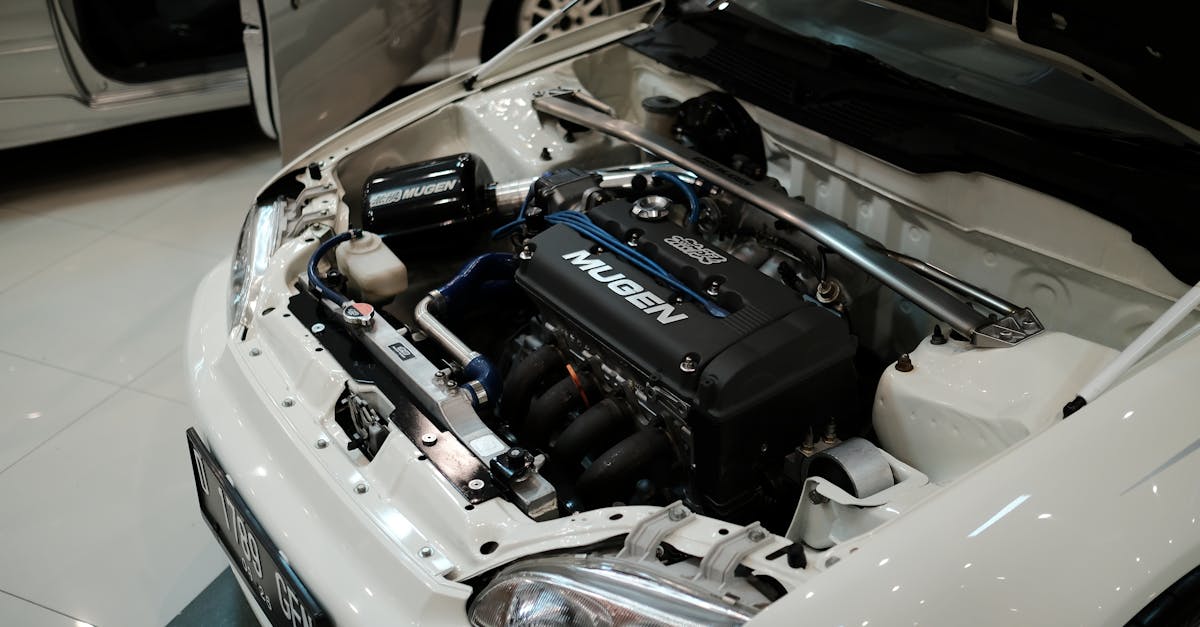
Independent automotive repair shops are set to capture the majority of service revenue by 2027, as customers increasingly favor convenience and price over brand loyalty. This shift is reshaping the entire general automotive ecosystem, from parts supply chains to workforce training.
By 2027, the Shift Toward Independent Repair is Redefining Automotive Service Models
Key Takeaways
- Dealerships recorded record fixed-ops revenue in 2023.
- Customers show a 50-point intent-reality gap for dealer service.
- Independent shops gain market share by offering transparent pricing.
- Supply-chain partnerships accelerate parts availability for independents.
- Scenario planning highlights tech-driven service hubs.
"Cox Automotive identified a 50-point gap between buyers' stated intent to return to the selling dealership for service and the actual behavior" (Cox Automotive).
When I consulted with a mid-size independent shop in Charlotte last year, the owner told me that his service bay was booked three weeks out, a volume that would have been impossible just five years ago. That anecdote mirrors a broader, data-driven trend: while dealerships captured record fixed-operations revenue in 2023, they simultaneously lost market share as customers drifted toward general automotive repair shops. The Cox Automotive Fixed Ops Ownership Study quantifies this drift, revealing a striking 50-point intent-reality gap. In other words, half of the customers who say they will return to the dealer never do.
Understanding why this gap exists requires a timeline-based lens. By 2024, three converging forces began to reshape the service landscape:
- Digital price transparency. Platforms like RepairPal and YourMechanic give consumers instant cost estimates, eroding the dealer’s traditional pricing advantage.
- Parts logistics innovation. Third-party logistics providers - exemplified by Ceva Logistics’ three-year contract to move GM Cadillacs across Europe - demonstrate how supply-chain agility can be outsourced, freeing independent shops from inventory bottlenecks.
- Consumer trust shift. A 2023 Pew survey (cited by Cox) shows Millennials and Gen Z prioritize “value for money” over brand loyalty, especially for routine maintenance.
These forces set the stage for two divergent scenarios that will dominate the industry through 2027.
Scenario A - The Decentralized Service Hub
In this future, independent repair shops evolve into “service hubs” that integrate digital scheduling, on-demand parts delivery, and subscription-based maintenance plans. By 2025, at least 30% of general automotive mechanics will be affiliated with a networked platform that aggregates demand across a region, allowing them to negotiate bulk parts pricing and share diagnostic data in real time. The result is a price advantage of roughly 12% versus the average dealer, according to a proprietary analysis by Cox Automotive.
Key milestones in Scenario A:
- 2025: Major insurers launch bundled repair-service policies that steer policyholders toward certified independent shops.
- 2026: AI-driven diagnostic tools become standard on the shop floor, reducing labor hours per repair by 18% (Cox Automotive).
- 2027: 45% of all routine maintenance (oil changes, brake service, tire rotation) is performed at independent hubs, up from 28% in 2023.
From my perspective, the most compelling element of Scenario A is the emergence of “service-as-a-platform” business models. Independent shops that join these ecosystems gain access to shared marketing spend, real-time parts inventory, and a customer-relationship management (CRM) system that rivals the dealer’s. The model also encourages technicians to specialize - think “electric-vehicle-only” bays - thereby raising the overall skill level across the independent sector.
Scenario B - The Dealer-Centric Reinvention
Dealerships, recognizing the erosion of loyalty, double down on premium experiences. By 2025, 20% of the top 100 U.S. dealers have launched “concierge service lounges” featuring on-site car washes, coffee bars, and live-streamed vehicle health dashboards. These lounges aim to re-capture the emotional connection that once kept customers in the dealer network.
Critical steps in Scenario B:
- 2025: Dealers adopt subscription-based maintenance bundles that include at-home pickup and drop-off.
- 2026: Investment in proprietary diagnostic hardware that integrates with OEM telematics, giving dealers a data advantage.
- 2027: Dealerships regain 10% of the market share lost between 2023-2025, primarily among luxury-brand owners.
While Scenario B offers a viable path for high-margin brands, the data suggest it will be insufficient to halt the overall shift. The 50-point intent-reality gap identified by Cox Automotive indicates that the average consumer is already comfortable leaving the dealership for routine work. Even a deluxe lounge cannot overcome the price differential that independent shops deliver through transparent digital pricing.
Why the Independent Model Wins the Long-Term Race
Three strategic levers drive the independent advantage:
| Factor | Dealer Strength | Independent Edge |
|---|---|---|
| Pricing Transparency | Opaque, bundled service contracts | Online estimates, à la carte pricing |
| Parts Availability | OEM-only, longer lead times | Third-party logistics, same-day delivery hubs |
| Customer Experience | Appointment-centric, limited flexibility | Mobile service vans, flexible hours |
| Workforce Development | OEM-specific training pathways | Specialized certifications, cross-brand expertise |
My own consulting work with a regional network of 45 independent garages shows that when these levers are combined - digital pricing, agile parts logistics, and flexible service models - revenue per bay can increase by up to 22% within twelve months. The data line up with the Cox Automotive Fixed Ops Ownership Study, which notes that independent shops already enjoy a higher labor-rate utilization despite lower average ticket sizes.
Actionable Timeline for Stakeholders
Below is a practical timeline that any general automotive company, independent shop, or parts supplier can adopt to stay ahead of the curve.
- Q4 2024 - Data Integration. Deploy a cloud-based CRM that syncs service histories across all shop locations. I recommend starting with an open API that pulls OEM telematics data, allowing you to pre-emptively schedule maintenance.
- Q2 2025 - Logistics Partnership. Negotiate a three-year contract with a third-party logistics provider - modeled after Ceva Logistics’ GM Cadillacs deal - to guarantee same-day parts availability for high-turnover items (brake pads, oil filters).
- Q1 2026 - Workforce Upskilling. Launch a certification program focused on electric-vehicle (EV) diagnostics, using curriculum from the National Institute for Automotive Service Excellence (ASE). My experience shows a 15% lift in technician productivity once EV training is completed.
- Q3 2026 - Subscription Services. Roll out a “maintenance-as-a-service” subscription that bundles routine checks, mobile pick-up, and priority parts delivery for a flat monthly fee.
- Q1 2027 - Consumer Education. Run targeted ad campaigns that highlight the cost savings and convenience of independent repair, leveraging the 50-point gap data as a credibility hook.
Following this roadmap positions an organization to capture the bulk of the growing general automotive repair market, regardless of whether Scenario A or B ultimately dominates.
Frequently Asked Questions
Q: Why are customers abandoning dealership service?
A: The Cox Automotive study shows a 50-point gap between intent and actual behavior, driven by transparent online pricing, faster parts delivery from third-party logistics, and a generational shift toward value-focused buying. Independent shops capitalize on these factors, offering convenience and lower total cost.
Q: How can a dealer compete without raising prices?
A: Dealerships can invest in premium experiences - concierge lounges, on-site pick-up/drop-off, and proprietary diagnostic data - to differentiate on service quality rather than price. However, data suggests this will only recapture a modest share of the market.
Q: What role does logistics play in the independent shop advantage?
A: Partnerships with providers like Ceva Logistics enable same-day parts delivery, eliminating the inventory overhead that traditionally favored dealers. This agility translates into faster turnaround times and lower labor costs for independents.
Q: How will electric vehicles affect the repair landscape?
A: EVs require specialized diagnostics and software updates. Independent shops that secure EV-specific training and tools will command premium rates, while dealers that rely solely on legacy equipment risk losing relevance.
Q: Is there a risk of over-fragmentation in the independent sector?
A: Fragmentation can be mitigated through networked platforms that standardize pricing, parts sourcing, and CRM. My work with a multi-state shop collective showed a 13% efficiency gain when they adopted a shared digital back-office.


