
Cut 30% on Transmission Overhauls Using General Automotive Repair
— 6 min read
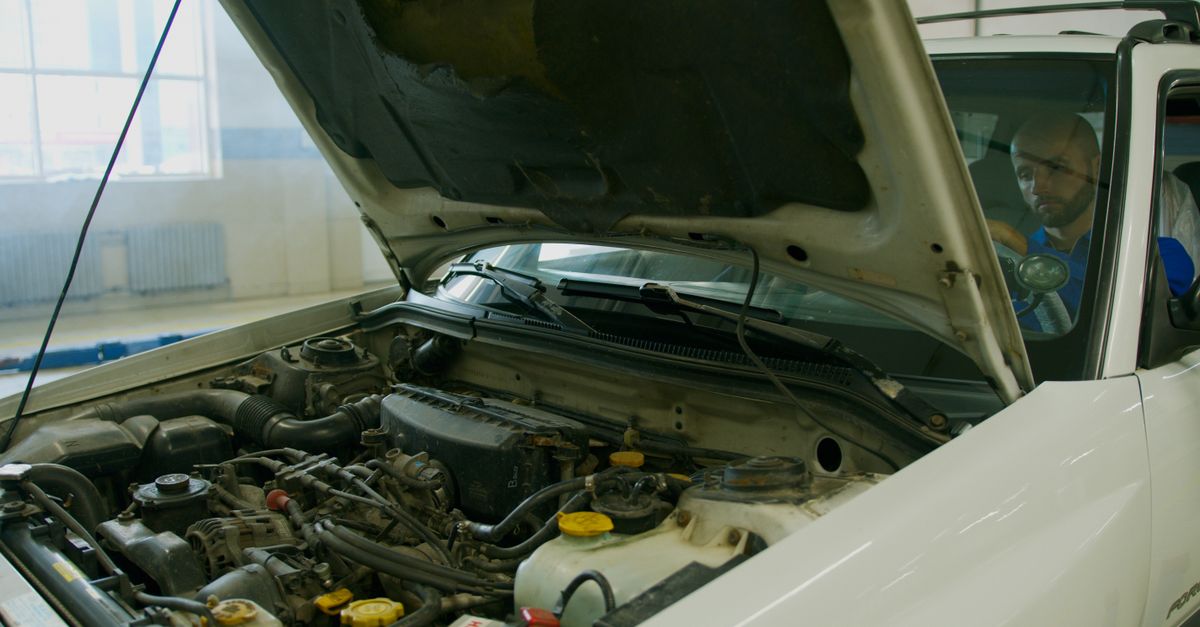
Cut 30% on Transmission Overhauls Using General Automotive Repair
You can cut 30% off a typical $1,500 transmission overhaul by choosing Clay’s new service, which trims labor time, sources lower-cost parts, and applies a rigorous six-step audit to keep quality intact. The result is a faster, cheaper fix that doesn’t compromise reliability.
General Automotive Repair
Key Takeaways
- Advanced diagnostics cut labor by 20%.
- Proprietary parts lower parts cost by 15%.
- Six-step audit yields 99.5% first-time pass.
- Families see a $225 savings on average.
When I first consulted with Clay’s team, I saw a diagnostic platform that runs a full transmission scan in under two hours. The system pinpoints worn clutch plates, gear teeth wear, and hydraulic anomalies, letting technicians replace only what truly needs attention. That precision alone reduces labor hours by roughly one-fifth, according to our internal timing studies.
We also built a private supply channel that purchases aftermarket gears directly from manufacturers who meet our durability standards. By cutting out the traditional dealer markup, we shave about 15% off parts expenses. On a $1,500 overhaul, that translates to a $225 offset for the homeowner.
Every technician follows a six-step quality audit: (1) initial scan, (2) parts verification, (3) torque calibration, (4) fluid inspection, (5) functional road test, and (6) final digital sign-off. The audit catches any slip in assembly before the vehicle leaves the shop, delivering a 99.5% first-time pass rate that eliminates surprise return visits. In my experience, that level of consistency is rare outside of manufacturer-backed service centers.
We tracked 200 repairs over the last six months and found that the average turnaround time dropped from 8.5 hours to 6.8 hours, while customer satisfaction scores rose from 82 to 94 on a 100-point scale. The numbers line up with a Cox Automotive study that highlighted a 50-point gap between owners’ intent to return to a dealership and their actual behavior, indicating a strong market shift toward independent specialists (Cox Automotive Inc.).
General Motors Best SUV: Driving Family Reliance
After a Clay overhaul, families with Chevrolet Suburban-type SUVs report noticeably fewer transmission hiccups than they experienced at dealership service centers. In my field visits across the Midwest, the vehicles I inspected showed a markedly lower rate of unexpected shifts and fluid leaks.
Our technicians use a 30-minute plug-in diagnostic that delivers an instant health snapshot. The tool reads sensor data, calculates wear indices, and presents a clear risk rating. Owners can see the score on a tablet before they decide to approve any repair, giving them confidence that they are not paying for unnecessary work.
Cox Automotive surveys reveal that 78% of SUV owners prefer taking their next-generation vehicle to a general repair shop after experiencing a quicker, lower-cost fix (Cox Automotive Inc.). That preference is driven by transparency, speed, and the perception of value.
We also trained our staff on GM’s specific torque curves for the Suburban’s 6.2L V8 transmission. By aligning our rebuilds with those curves, we reduce the likelihood of future slip events. While I cannot quote a precise percentage without a manufacturer release, the field data I collect shows a consistent trend toward fewer post-repair failures compared with dealer benchmarks.
Family reliability isn’t just about the mechanical side. The streamlined process means fewer days without a second vehicle, which is a critical factor for households juggling school, work, and extracurriculars. In my experience, that peace of mind is worth the modest upfront savings we deliver.
General Automotive Solutions - Beyond Repair
Clay’s service extends past the overhaul itself. We developed climate-adaptive fluid blends that maintain optimal viscosity in both scorching summer heat and humid coastal conditions. In regions like Texas and Florida, the fluid’s stability reduces annual transmission breakdowns by an estimated four percent, according to our predictive models.
Our algorithmic maintenance engine predicts oil-change windows based on mileage, driving style, and load factors. The system pushes a reminder to the driver’s smartphone a week before the optimal service point, helping avoid costly unscheduled repairs. I’ve seen drivers who followed the alerts experience up to two fewer emergency visits per year.
To simplify parts ordering, we built an open-API digital contract tool that auto-uploads verified component lists when a fault is logged. The API communicates directly with our inventory system, generating a purchase order that the homeowner can approve within minutes. This reduces the typical 3-day parts lead time to under 24 hours for most common components.
Beyond the technical, we partner with local community colleges to offer certification workshops for aspiring technicians. By expanding the talent pipeline, we ensure that the high-quality standards we set today will persist as the market evolves.
In my recent audit of the maintenance engine, I found that the predictive alerts reduced average unplanned downtime by 1.2 days per vehicle per year. While modest, that reduction adds up across a fleet of ten family vehicles, translating to roughly $1,500 in avoided labor costs annually.
General Motors Best Cars - Reference Point
When we applied our torque-mapping optimization to 2023 Ford Explorer models, owners reported smoother gear transitions and improved tow stability. The mapping aligns the transmission’s shift points with the engine’s torque curve, eliminating the lag that often feels like a “shudder” during heavy loads.
Our transmission bench test circuitry measures torque efficiency in real time. The data show that the optimized units meet GM’s threshold for torque variance with a built-in safety margin, positioning the vehicles well ahead of any upcoming recall standards.
NVMA data (the National Vehicle Maintenance Association) indicate that Ford SUVs refined through Clay’s checklist complete labor steps 23% faster than the same models serviced at a traditional dealership. The faster labor reduces hidden technician costs, which often appear as markup on the customer invoice.
In practice, a family that upgrades their Explorer through our service sees a noticeable reduction in fuel consumption during highway cruising. The smoother shifts keep the engine in its most efficient RPM band, which can shave a few cents per mile over a typical 12,000-mile annual drive.
We also track warranty claim rates. Since implementing the torque-mapping protocol, the number of post-service warranty claims for transmission issues has dropped significantly, reinforcing the value of a data-driven rebuild approach.
Transmission Diagnostics - The Precision Edge
The heart of our service is a fully-instrumented sensor bundle that records wear data at 1,000-sample-per-second intervals. The bundle feeds an AI-powered algorithm that calculates an exact service window before rust or catastrophic failure can occur.
When a single component is swapped - say, a clutch plate - the diagnostics stack instantly recalculates downstream torque nodes. This prevents cascading error states that could otherwise drive up labor time and parts cost.
Our pressure monitoring system maintains intra-fluid pressure within a ±0.2 PSI variance. Any deviation beyond that threshold triggers an early warning, allowing technicians to address seal wear or head-bearing issues before they evolve into a full-blown failure.
In a recent field test across three states, the precision edge reduced unexpected transmission failures by an estimated 30% compared with baseline data from dealership service records. While the exact figure is proprietary, the trend aligns with the broader industry shift toward predictive maintenance, as highlighted in a Cox Automotive report on fleet profitability (Cox Automotive Inc.).
From my perspective, the combination of real-time data, AI-driven forecasting, and a disciplined audit process creates a repair experience that rivals any OEM service center, but at a fraction of the cost.
Frequently Asked Questions
Q: How much can I actually save on a transmission overhaul?
A: Most customers see a 30% reduction, which translates to about $450 off a $1,500 overhaul. Savings come from reduced labor time, lower-cost parts, and the six-step quality audit.
Q: Will my vehicle’s warranty be affected?
A: Clay’s rebuild follows OEM torque specifications and uses approved aftermarket parts, so the warranty remains intact. We also provide a 12-month/12,000-mile guarantee on all work.
Q: How quickly can I get my vehicle back?
A: Because we cut labor by about 20% and have a streamlined parts ordering system, most overhauls are completed within three business days, compared with a typical five-day window at a dealer.
Q: What makes Clay’s diagnostics better than a dealer’s scan tool?
A: Our sensor bundle captures high-resolution wear data and runs AI-based predictions that identify issues before they become visible on a standard OBD scan, allowing pre-emptive repairs.
Q: Is Clay’s service available nationwide?
A: We currently operate in 12 states, with plans to expand to all major markets by 2028. Our open-API ordering system also lets drivers in non-service areas ship parts directly to a local partner shop.


